Close
Learn
Start here
Safety & hygiene
What is BARF
Build
Tools
Supplements
Ingredient index
Research
Glossary
Research library
About
Contact
Legal
Buy me a coffee
Close
Learn
Start here
Safety & hygiene
What is BARF
Build
Tools
Supplements
Ingredient index
Research
Glossary
Research library
About
Contact
Legal
Build bowls with safe, varied ingredients
Quick guides to common proteins, bones, organs, and a bit of veg/fruit. Use the Tools page to plan portions and check balance
[1]
.
Chicken (meat)
Chicken (edible bones)
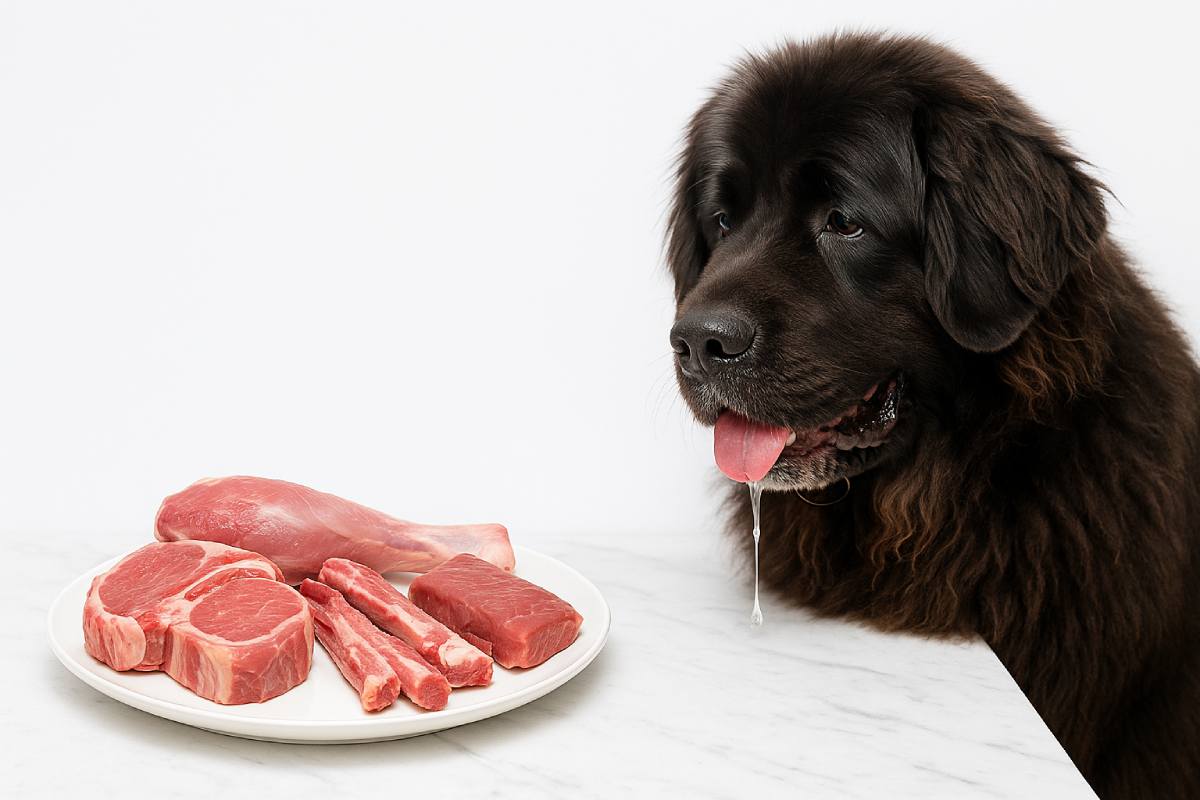
Beef
Turkey
Lamb
Salmon & oily fish
Organs
Veg & fruit
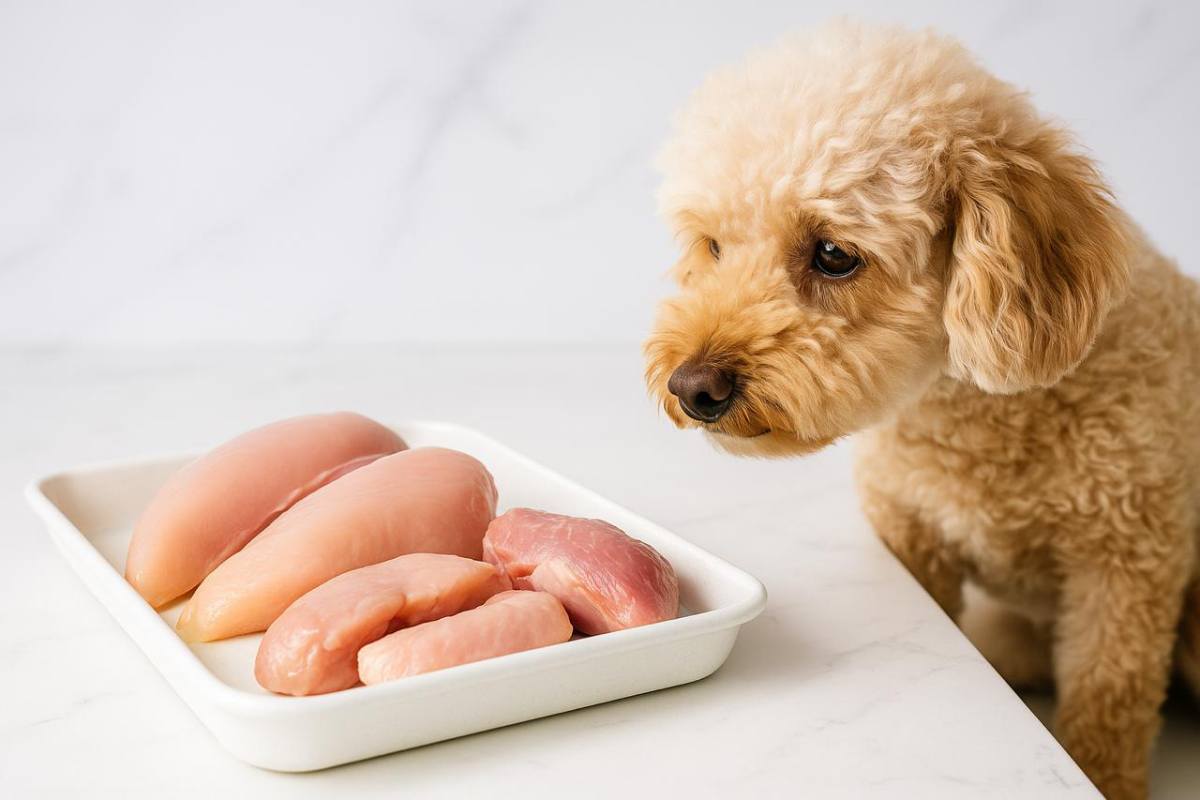
Chicken (meat)
What it is:
Common, easy to find. Breast is lean; thighs have more fat.
Safe prep:
Handle like raw chicken for people—separate shelf, sealed containers, clean tools
[4]
[5]
.
Use in recipes:
Great starter protein; remove some skin if your dog needs fewer calories.
Notes:
Balance minerals with bones or measured calcium; check targets with the Tools page
[1]
.
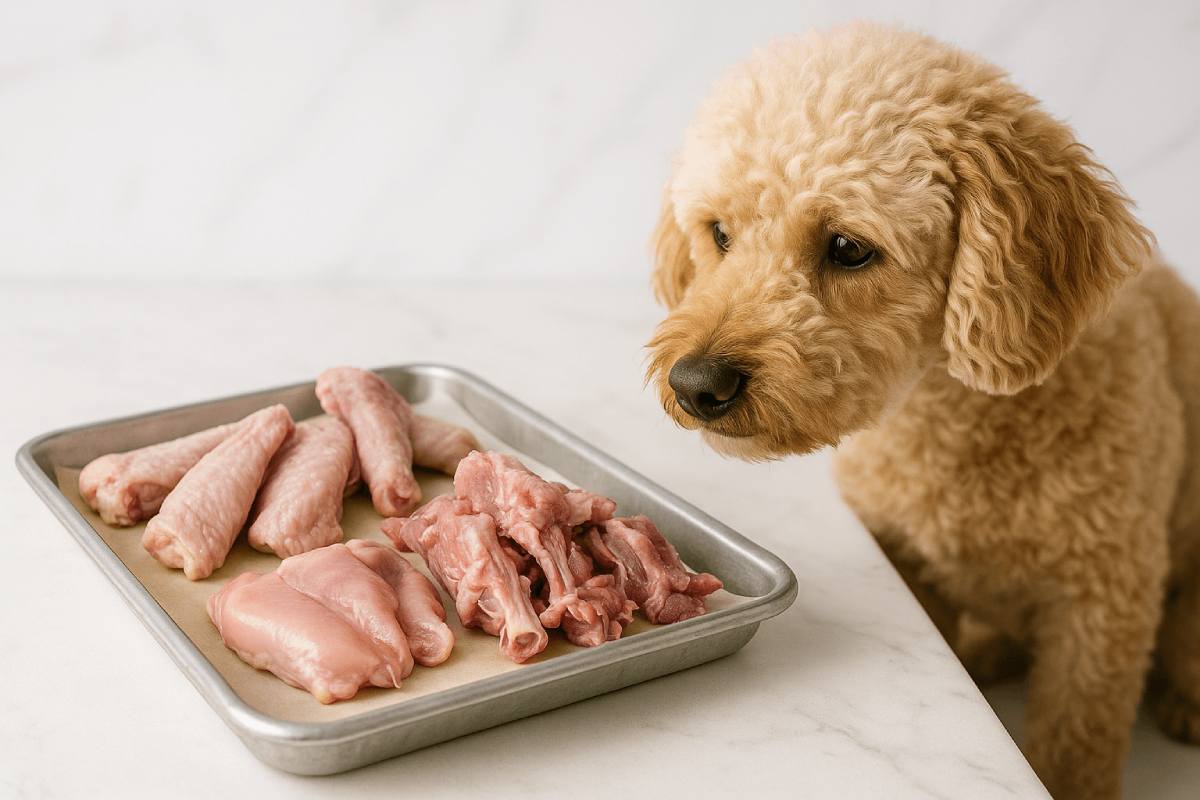
Chicken (edible bones)
What it is:
Wings, necks, carcass pieces from trusted suppliers.
Safe prep:
ONLY raw, right-size bones. Supervise chewing. Never cooked bones.
Use in recipes:
Source of calcium and phosphorus; for gulpers or dental issues, use ground bone or measured calcium instead
[10]
[11]
.
Notes:
Avoid very hard, weight-bearing bones; watch for cracking teeth or swallowing big pieces
[10]
[11]
.
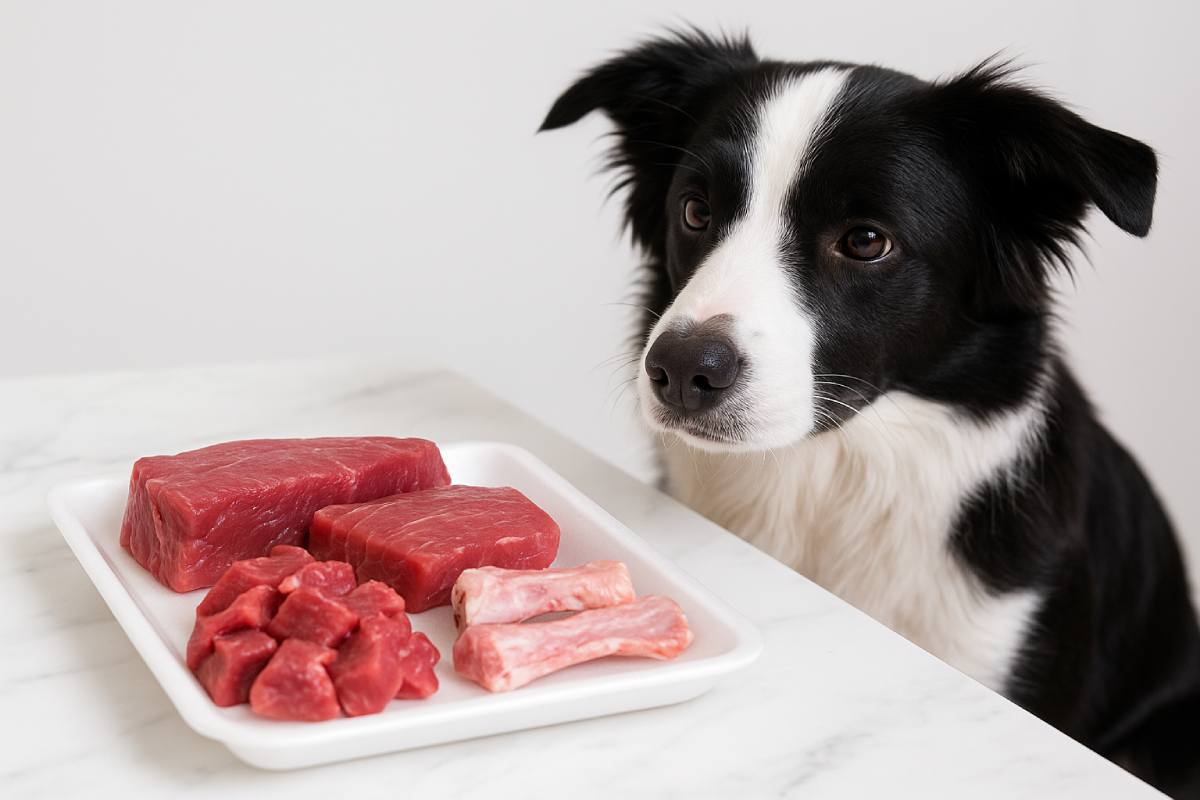
Beef
What it is:
Protein-rich; iron and zinc. Fat varies by cut.
Safe prep:
Standard raw handling; clean up after prep
[4]
[5]
.
Use in recipes:
Choose leaner cuts for weight control. Include organs in small, planned amounts.
Notes:
Don't overdo liver (vitamin A). Check minerals and add fish for EPA/DHA balance.
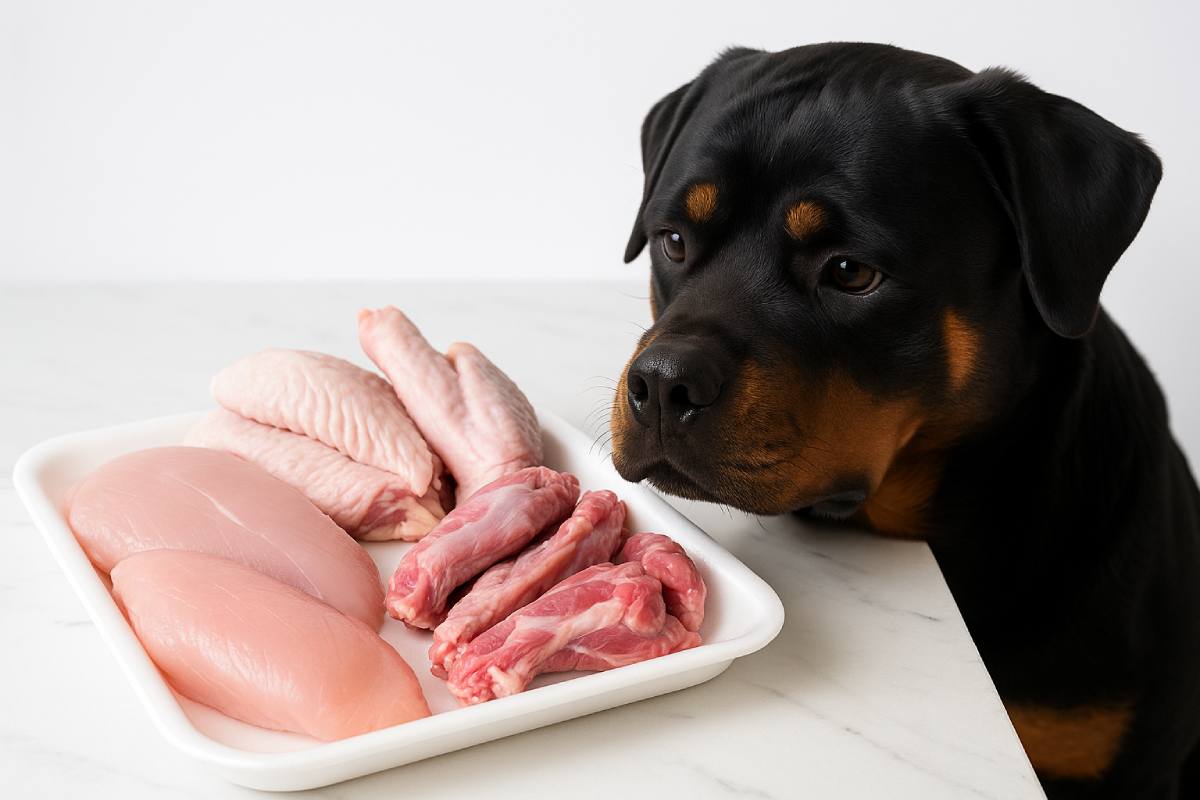
Turkey
What it is:
Usually lean; a good rotation protein.
Safe prep:
Handle like chicken.
Use in recipes:
Useful for dogs that need a simpler protein; watch skin/fat if cutting calories.
Notes:
Often higher in fat; very palatable.
Lamb
What it is:
Often higher in fat; very palatable.
Safe prep:
Standard raw handling
[4]
[5]
.
Use in recipes:
Helpful when a dog needs to gain weight or prefers richer meals.
Notes:
Watch calories; balance with lean days.
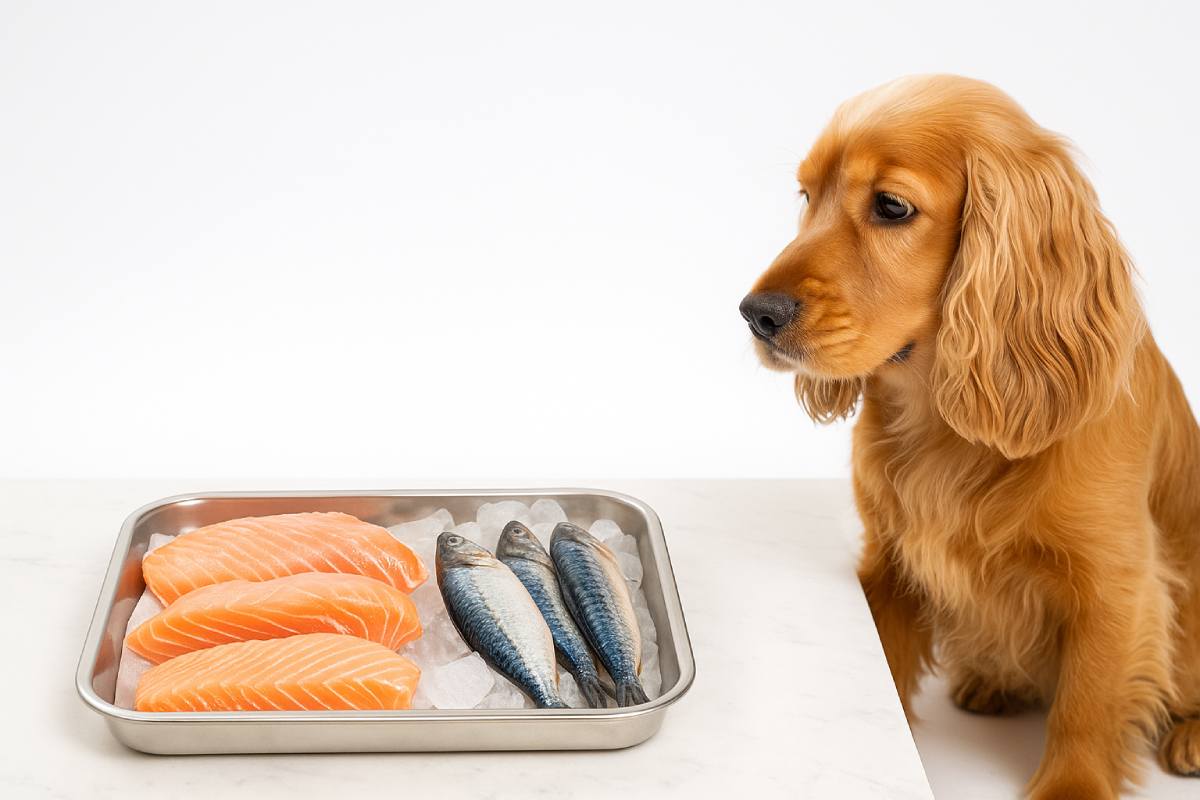
Salmon & oily fish
What it is:
Great source of omega-3s (EPA/DHA).
Safe prep:
For some wild species, follow EU parasite-control freezing rules (example: −20 °C for at least 24 hours) [14][15].
Use in recipes:
Small frequent portions for omega-3s; or use fish/algal oil as advised.
Notes:
Handle and thaw safely; keep fish smells to a minimum with sealed containers
[4]
[5]
.
Organs (liver, kidney, spleen)
What it is:
Nutrient-dense parts.
Safe prep:
Fresh, correctly stored.
Use in recipes:
Liver ~5% of total food unless your vet says otherwise; mix other organs for variety.
Notes:
Liver adds vitamin A and copper—too much can be an issue; plan carefully.
Veg & fruit
What it is:
Optional small amounts for fiber and helpful plant compounds.
Safe prep:
Use dog-safe options; chop fine or lightly steam.
Use in recipes:
Leafy greens, pumpkin, blueberries are common choices.
Notes:
Avoid unsafe foods like onions and grapes. Keep plant matter modest.
Safety reminder:
Treat raw dog food like raw chicken at home—separate shelf, sealed containers, clean hands and tools. Keep high-risk people extra safe
[4]
[5]
.
Open Tools
Read "What is BARF?"
©2025 MeBarfly.com - All rights reserved